
Key Takeaways
-
Accurate inventory data prevents technicians from hoarding critical spare parts.
-
Mobile barcode scanning ensures real time tracking for picking actions, issues, and returns.
-
Integrating the warehouse and the CMMS prevents expensive emergency buys and unrecorded consumption.
The Cost of Low Visibility
As a maintenance manager, you know that low inventory visibility destroys trust across the shop floor and forces your most skilled technicians into a constant cycle of hoarding essential parts.
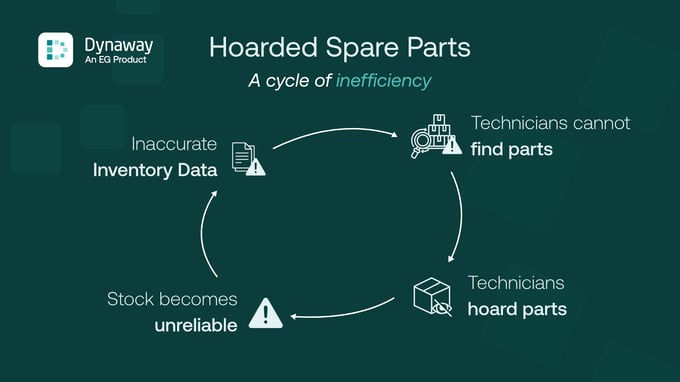
If a mechanic needs a specific gasket and finds an empty shelf despite what the ERP system says, they adapt to survive. The next time stock is replenished, they take five extra gaskets and hide them in their toolbox. You end up buying parts you already own. This creates excess inventory on the books while your system displays false shortages. You must implement a strategic spare parts management method to break this cycle and transition from a reactive to a proactive environment.
1. Clean Your Master Data Upfront
Defining your naming standards and assigning official part numbers is the mandatory first step for modern inventory management systems. It requires strict discipline to maintain clean inventory data and standard organizational rules across the warehouse. Spending a single hour preparing and cleaning your data upfront directly saves three hours of frustrating error correction after the system goes live. You actively prevent human errors before they multiply. One of the greatest challenges facing inventory control specialists is tracking for excess or unused parts that are not included in a company's existing inventory control system. While it can be tempting to temporarily store these "one off" parts or components in a box in the corner, they should be assigned an official part number and added to your inventory control system.
2. Implement Mobile Scanning for Real-Time Checkout
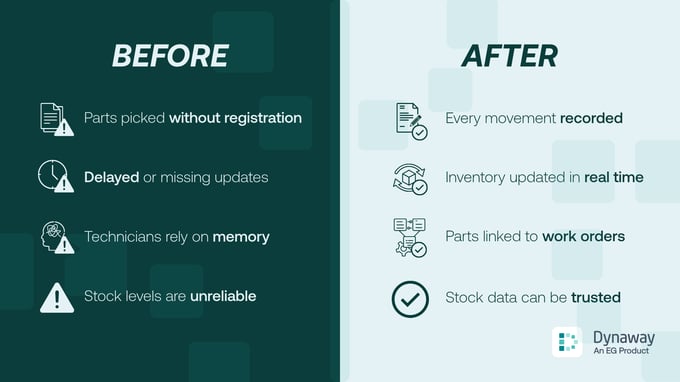
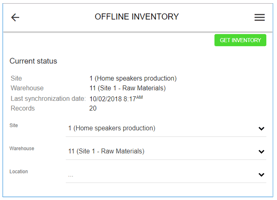
Informal inventory methods look cheaper because they avoid processes, but they cause expensive emergency buys and massive downtime. You must abandon outdated routines that require technicians to squirrel away notes in their pockets. Mobile scanning reduces manual data entry and allows warehouse employees to record picking actions, issues, and returns in the exact moment they happen. You get real time data on what was used and which work order it supported.
3. Validate Availability Before Scheduling Downtime
Scheduling downtime without confirming parts readiness is a massive gamble. You must validate your on-hand supply, reorder points, and incoming lead times before committing to a repair. Item availability checks convert scheduling from hope to certainty so you can run operations efficiently. This prevents the worst-case scenario where assets are shut down, technicians are waiting around, and parts are still out on order.
4. Simplify Your Asset Structure
Companies often overcomplicate their configuration by setting up spare parts as individual assets. If a fan has one motor, there is no reason to define that motor as a separate asset. Tie your spare parts directly to actual Bills of Materials and asset usage. This allows you to forecast parts on work orders, reduce carrying costs by identifying obsolete items, and make a data driven decision on accurate stocking levels without adding useless complexity to the system.
Want a practical way to assess your spare parts process?
Download the Spare Parts Checklist to identify gaps in inventory visibility, stock control, and warehouse execution.
5. Isolate Repairable Spares with Inventory Statuses
Maintenance teams frequently remove a broken motor from an asset and send it back to the warehouse to be repaired. You must rely on strict inventory control procedures and specific statuses to isolate these items immediately. Identifying a repairable spare as damaged prevents it from being pulled into a new work order kit by an unsuspecting technician. This simple step helps improve efficiency and stops false assumptions about readily available quantities.
6. Adopt a Global Product Master
Firms with multiple global operations must tie common parts together between different legal entities. A common master parts list acts as a single source of truth. If you have an expensive motor used across five different sites, you do not need to stock it at every single location and worry about shelf-life degradation. You stock the item strategically at one central site. When an unexpected breakdown disrupts business operations, a facility can reliably reach out to a sister site to transfer the component. You master your internal supply chain management instead of wasting hours verifying if the parts match.
7. Treat Warehouse Execution as a Complete System
Many companies treat spare parts as generic inventory and handle work orders like simple paperwork. You must design the process end-to-end to streamline order processing and internal order fulfillment. Asset criticality and cycle counting must tie directly back to the actual demands of production. If you do not treat the physical inventory and the CMMS as a completely interactive system, you generate massive operational waste on both sides.
See how this works in practice
Watch the webinar to learn how spare parts, warehouse execution, and maintenance processes work together inside Dynamics 365.
8. Integrate Work Orders with Financial Purchasing
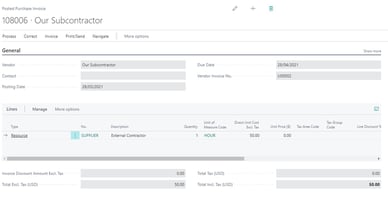
Standalone systems leave the finance department completely blind to operational reality. Purchases get executed for service or parts, but finance has no idea when the actual work is complete. Running an enterprise asset management system natively inside Dynamics 365 allows you to look at a work order directly next to the open purchase order. The work order inherits the cost of consumed parts instantly. You can confidently evaluate open POs, ensure they match actual work completion, and make informed decisions that protect the bottom line.
Running these eight practices natively inside your ERP eliminates data silos between the shop floor and the back office. You cut administrative waste, save time, and provide your maintenance team with a system they can actually trust to do their jobs.

.png?width=388&height=200&name=Copy%20of%20Blog%20Feature%20Image%20(6).png)

.jpg?width=388&height=200&name=Digital%20transformation%20(4).jpg)